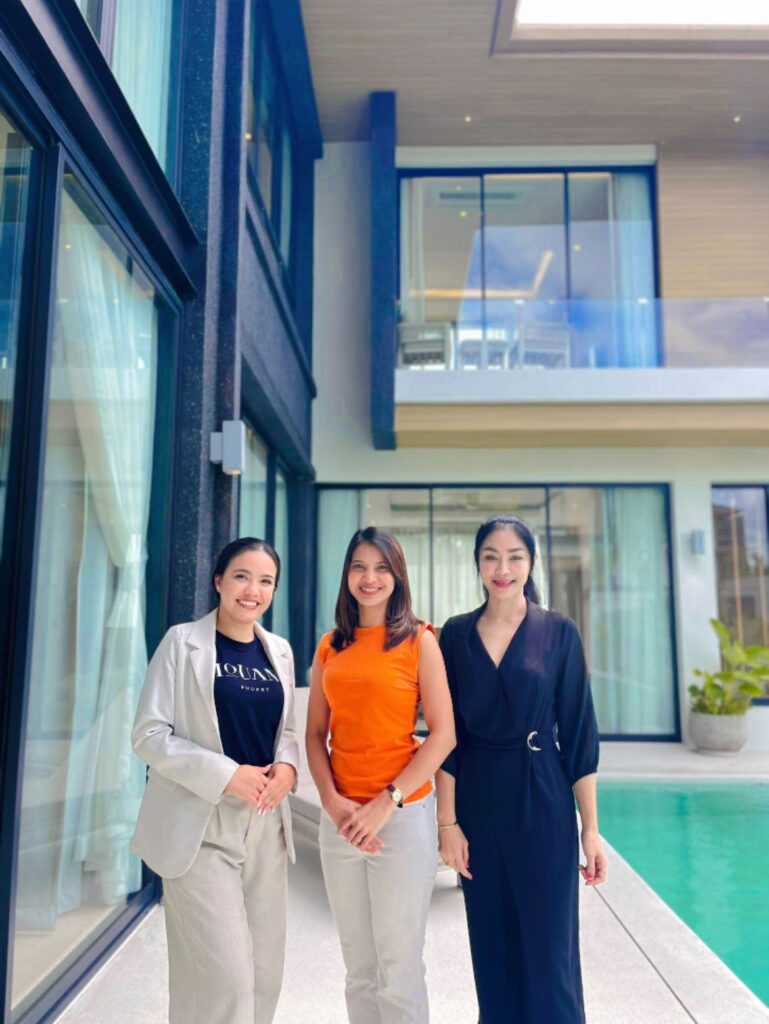
Beyond a house, we find you a legacy. Our selection of distinguished family homes emphasizes space, comfort, and enduring quality.
Nestled in Phuket’s most secure and prestigious communities,
these properties are meticulously vetted to ensure a safe and refined environment for your family to flourish.
RITTHIRA REAL ESTATE
Professional real estate agency specializing in residential and investment properties.
We provide buying, selling, and consulting services with a focus on transparency, personalized strategy, and practical solutions — helping you make confident property decisions every step of the way.
WhatsApp: +66 96 642 6265 (Yim)
Private viewing by appointment only
Thank you for trusting Ritthira Real Estate.
FAQ
Information provided is for general guidance and does not constitute legal advice.
We recommend consulting with a certified legal professional for specific cases.
1. Can foreigners own property in Phuket?
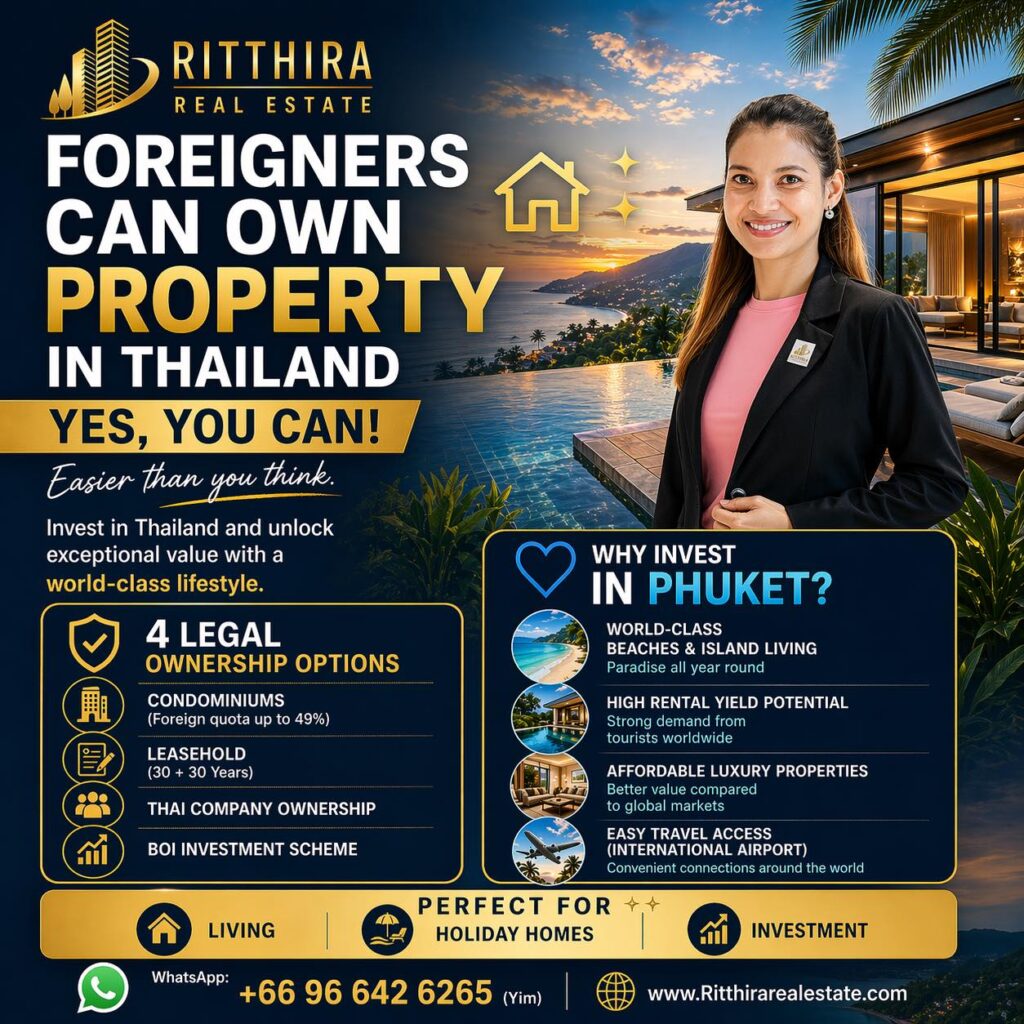
Yes, foreigners can legally own property in Thailand through two main structures:
Condominiums: Foreigners can own the Freehold title of a condominium unit, provided that total foreign ownership in that specific building does not exceed 49%.
Villas & Land: Foreigners cannot own land in their name. However, they can securely own the building (the villa) and hold the land via a 30+30+30 year Leasehold agreement, or through a Thai Limited Company structure under professional legal guidance.
2. What is the difference between Freehold and Leasehold?
* Freehold: Offers absolute ownership of the property for an indefinite period. This is the most sought-after title for condominium buyers.
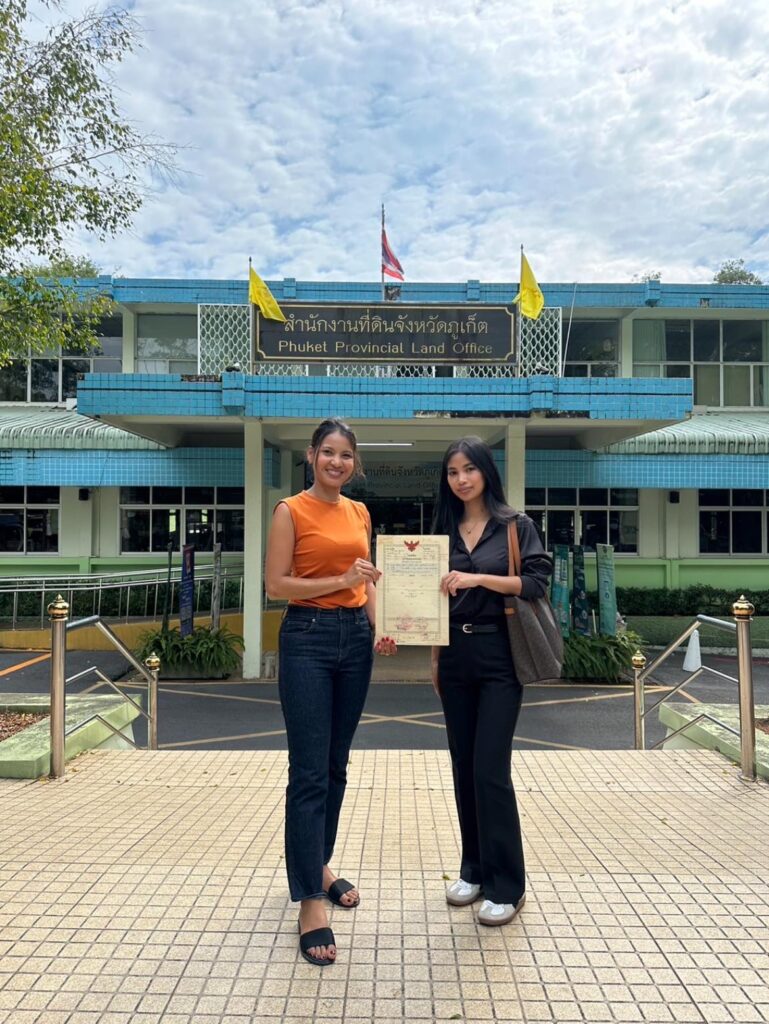
Leasehold: A long-term rental agreement (typically 30 years, renewable twice for a total of 90 years). It is a highly secure and common method for foreigners to enjoy luxury villas and land in Thailand, registered officially at the Land Office.
3. Who is responsible for Taxes and Transfer Fees?
Transfer fees and taxes (totaling approximately 6.3% of the government appraised value) are typically shared 50/50 between the buyer and the seller. However, this is negotiable and can vary depending on the specific agreement of each transaction. At Ritthira Real Estate, we provide a clear breakdown of all estimated costs before you commit to any purchase.
4. Do I need a lawyer to buy property in Phuket?
While not mandatory by law, we highly recommend appointing an independent legal advisor. A lawyer will perform “Due Diligence” to ensure the property has a clear title, is free of encumbrances, and that the sales contract protects your interests. We can introduce you to reputable, English-speaking law firms specializing in Phuket real estate.
5. Can property ownership lead to a Long-Term Visa?
Buying property does not automatically grant a residence visa. However, there are specific investment-related visas (such as the Investment Visa for purchases over 10 Million THB) and the Thailand Privilege (Elite) Card program that many of our clients utilize to stay in Thailand long-term.
6. What is the average Return on Investment (ROI) for Phuket property?
Phuket remains one of Asia’s top-performing real estate markets. On average, well-located properties in prime areas like Bang Tao, Kamala, or Rawai offer a Rental Yield of 5% to 8% per annum. Additionally, capital appreciation for high-end villas and sea-view condos has shown consistent growth of 3% to 5% annually, depending on the project’s exclusivity and location.
7. Which areas in Phuket offer the highest appreciation potential?
Currently, the “Laguna-Bang Tao” area is seeing the highest demand due to world-class amenities and new infrastructure. Kamala (Millionaire’s Mile) remains a staple for ultra-luxury prestige, while Rawai and Nai Harn in the south are increasingly popular for long-term expatriate rentals. At Ritthira Real Estate, we provide a tailored market analysis to help you identify the “Next Big Spot” before it peaks.
8. Does Ritthira Real Estate provide property management?
While we primarily focus on brokerage and investment consulting, we work with a trusted network of professional property management firms. We can facilitate everything from daily rental management and housekeeping to technical maintenance, ensuring your investment is well-cared for and generating income even while you are abroad.
9. Can I rent out my property while I am not using it?
Absolutely. Many of our clients utilize a “Holiday Home” model, staying in their villa or condo for a few weeks a year and entering it into a rental pool for the remainder. We can help you navigate local hotel license regulations and connect you with managers who specialize in maximizing occupancy rates through platforms like Airbnb or luxury travel agencies.
10. What are the ongoing costs of owning a property in Phuket?
Typical ongoing costs include:
Common Area Fees (CAM Fees): For security, landscaping, and pool maintenance in gated communities or condos.
Sinking Fund: A one-time or periodic payment for major long-term building repairs (mostly for condos).
Utility Bills: Electricity and water, which are usually metered individually.
Personal Property Insurance: Highly recommended for all homeowners.
CONNECT WITH US
Stay updated with our latest luxury properties and market insights.
Follow Our Page
Get daily updates on premium listings, real estate news, and exclusive market insights in Phuket.
Subscribe to Our Channel
Take virtual property tours, explore cinematic walk-throughs, and discover your next dream home.
Chat with Us Directly
Have a question? Reach out for immediate assistance, detailed property brochures, or to schedule a private viewing.